






Blog Posts

Arbitrage Trading: Efficient Strategies in Forex Margin Trading

Explore arbitrage strategies in Forex margin trading, learn how to leverage market price differences to achieve stable returns, and master the core techniques of risk control and automated trading tools!

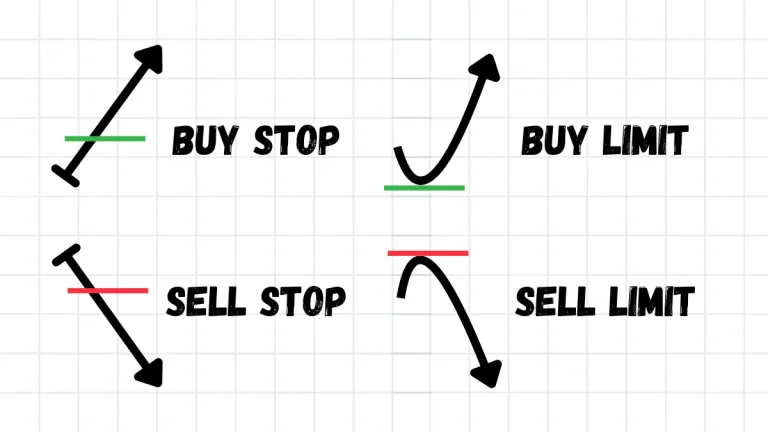
Trading Order Type Memo: How to Choose the Right Order Type Based on the Forex Trading Market

This Forex trading order type memo simply and clearly explains various order types such as market orders, limit orders, and stop-loss orders, helping you easily grasp the purpose and application of each type of order.

Order Types in the Forex Market: From Market Orders to Trailing Stop Orders Applications

Understanding Forex order types is the key to successful trading. This article explains various order types such as market orders, limit orders, and stop-loss orders, helping you improve trading efficiency.

Forex Terminology Review: Mastering the Professional Basics of Forex Margin Trading

Comprehensive analysis of Forex terminology, in-depth understanding of spread, leverage, long and short positions and other core concepts, helping you master the basic skills of Forex margin trading, enhancing trading efficiency and profit potential!

Understanding Lot Sizes in Forex: A Complete Introduction from Standard Lot to Micro Lot

In Forex trading, the lot size determines the value of each pip and affects potential profits and losses. Understanding the differences between standard lot, mini lot, and micro lot helps to manage trading risks more flexibly.

Pip in Forex: Understanding the Key to Market Volatility

Understand how "pips" work in Forex trading, and learn to measure your trading risk and potential returns by calculating pip movements, which is crucial for traders.

Kelly Formula Forex Trading: Best Capital Management and Risk Control Guide

The Kelly formula is a mathematical capital management strategy that calculates the optimal capital allocation ratio, helping Forex traders maximize long-term returns while controlling risk. It is applicable to trend trading and risk management, and it requires dynamic adjustments to respond to market volatility and data instability.